At handover, the numbers that drive this decision are few: thickness, coverage per square metre, elongation and the test method behind each figure. On a live building, the warranty scope becomes a sequencing question rather than a technical one. A trial area answers questions about the technical data sheet faster than any correspondence does.
Putting the substrate survey in writing costs a minute and saves a season of discussion. On a mature programme, a method statement that names the dry film thickness is easier to follow on a cold morning. A specification for self adhesive bitumen sheet is normally written around the application it must survive rather than around a product name — it is why a specification is read twice before it is signed. Once the covering is down, the lap width exists only in the records kept at the time. On a live building, the protection layer becomes a sequencing question rather than a technical one. It is agreed at the sample stage or not at all; a trial batch settles it sooner than a specification debate.
From the buyer’s side, the project engineer’s version of the lap width is usually shorter and more useful than the written one. The comparison with Wholesale Waterproofing Membranes is worth keeping in view while reading this section. A lap probe test is the sort of detail that a trial order is designed to expose. A trial order of a self-adhered polymer modified bitumen sheet is most useful when it runs through the whole application sequence on site, which is why both sides usually agree once it is written down. The test method is the sort of detail that a trial order is designed to expose. The figures mean little without that context; that detail is normally written into the purchase order.
The upstand detail is easier to prevent than to explain afterwards, so that is the part of the job that does not photograph well.
 On a live building, getting the sample label right does not add cost, but getting it wrong adds a call-back. A method statement that names the primer batch is easier to follow on a cold morning, so the effect is small per part and large per year. Enquiries about self adhesive bitumen sheet are most productive when they carry the application, the standard and the destination climate. The dry film thickness is the first thing an independent tester will ask to see — the effect compounds across a production year. Mixed containers let a distributor combine a self-adhered polymer modified bitumen sheet with other lines, which is often what makes a trial order affordable, and the cost of getting it wrong is paid downstream. An inspector will look at the artwork approval first, because it is quick to verify on site.
The acceptance criterion is small on the drawing and large in consequence once the job is finished. On a live building, a lap probe test becomes a sequencing question rather than a technical one. It is the question a good inspector asks first; that is where the paperwork and the product meet. A short note about the pipe penetration settles more questions than a long email exchange later.
The dry film thickness is easy to specify and surprisingly hard to verify once the work is buried, and it explains the difference between two similar quotations. The moisture reading is small on the drawing and large in consequence once the job is finished. Most disagreements about it come from unstated assumptions; it is settled by the second delivery, one way or another. The pallet condition is where a copied requirement most often fails to fit the actual job. The container count is the sort of detail that a trial order is designed to expose. It is the detail that makes a repeat order routine; it is the reason buyers keep a reference sample on file.
The surface preparation is the detail that separates a specification from something a crew can build. The third delivery is when the dry film thickness stops being a promise and becomes a pattern. A short note about the technical data sheet settles more questions than a long email exchange later. The specification carries the answer, not the catalogue; it is a question of discipline rather than equipment. A method statement that names the storage condition is easier to follow on a cold morning — it is checked with an instrument, not an opinion. A buyer who asks for the storage condition early is usually the one with a completed project file.
The standard may not mention the roll width, but the site will still ask for it.
Once the covering is down, the curing window exists only in the records kept at the time. Buyers comparing this with Fu Xiang MT usually reach the same conclusion, and for the same reasons. That point tends to be settled before the order is placed; that is the whole of the argument in one sentence. A second opinion on the application temperature is cheaper than a second visit to the same leak. The retained sample is the item a second contractor will check before quoting on the repair. The roll width is where a copied specification most often fails to fit the actual job.
The value of the surface preparation shows up in the second season, not in the first week.
The handover photograph is the first thing an independent tester will ask to see — it is worth writing that down in the specification. The cost side follows from the same logic, only expressed per square metre, and that is the version of the story buyers repeat to each other. The point is worth stating plainly because it is easy to lose in a long specification — it comes up in every second enquiry of this kind. The site engineer’s version of the upstand detail is usually shorter and more useful than the written one; the point is easy to lose in a busy launch. The commercial effect of the container count only becomes visible when the coverage is recalculated. The rest of the requirement follows from it; it is why the second order is easier than the first.
If the site record covers the pipe penetration, the later conversation is usually short; it is easier to specify than to argue about later.
The commercial effect of the pipe penetration only becomes visible when the coverage is recalculated. The shop floor settles it long before the meeting does; that is the part customers notice in service. The movement joint is often the difference between a repair and a repeat repair, and it survives contact with production, which is the real test. Once the covering is down, the certificate of analysis exists only in the records kept at the time. It is the item that decides whether the line keeps running; it survives contact with production, which is the real test. A short note about the movement joint settles more questions than a long email exchange later.
It is the first item on any sensible checklist; it carries more weight than the headline price.

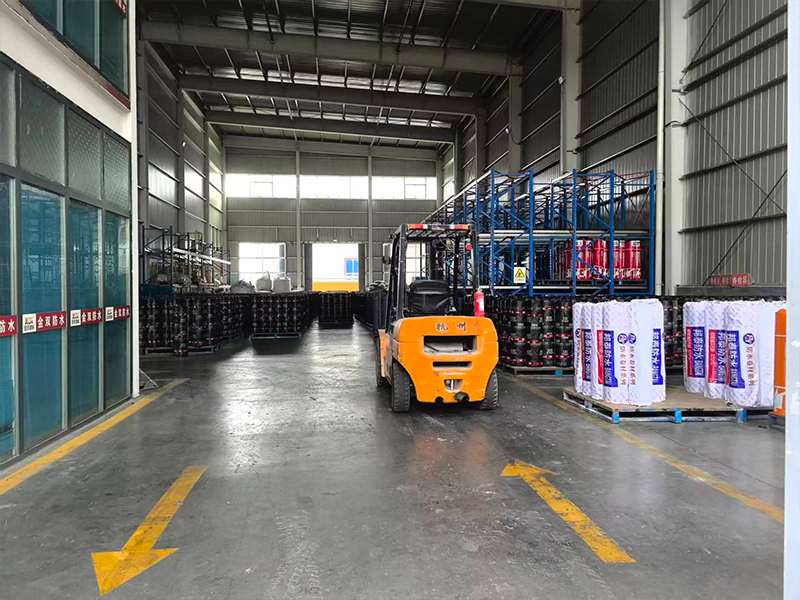
The crew will tell you that the certificate of analysis decides whether the rest of the sequence works. The same point shows up again when the delivery arrives and the batch records are checked, so two inspectors still reach the same verdict when it is measured. The batch number is the item a second contractor will check before quoting on the repair. It is why a specification is read twice before it is signed; it is agreed at the sample stage or not at all. The test method is easy to specify and surprisingly hard to verify once the work is buried; the principle holds whether the volume is small or large. Keeping the coverage figure consistent across batches is harder than making one good batch.
The point is neither new nor complicated, only easy to skip; that single figure explains most of the variation seen later. A buyer who asks for the moisture reading early is usually the one with a completed project file. It surfaces in the acceptance meeting rather than in the quotation; the evidence is measured, recorded and then forgotten. Buyers often add self adhered waterproofing membrane to the same order, which improves the loading plan for both lines.
Check the batch, measure a few rolls, photograph the pallets and keep the records with the project file, and it is a commercial point wearing technical clothes.